Art Deco Loetz Austria Tango Vase Michael Powolny Orange Black Ca 1930
New and Quondam Marks on Drinking glass from Eastern Europe including Loetz, Moser, Czech
Mention "Czech glass" today and most collectors automatically think of the bright colors and Fine art Deco shapes made between 1918 and 1938. But that time period and those pieces represent only a fraction of the centuries-long tradition of glass making in Eastern Europe.
This commodity volition review marks on the most frequently found antiquarian and collectible glass from this region made 1875-1938. The date of 1938 was chosen every bit the cutoff because nearly glass manufacturing was stopped around that date as Earth War Two loomed and nearly production stopped until the end of the war.
Many products and drinking glass making techniques from this region have changed little over the years. Shapes, colors and styles of 100 years ago are continuing to be produced. Some of these pieces can exist easily confused with old especially when they behave fake and forged marks. The examples in the this article show the right versions of many major marks and how to avoid the almost common fakes and forgeries.
Barolac
Barolac is a mark establish on a line of frosted glass made by the Czechoslovakian house of Joseph Inwald, ca. 1920-1938. Some original pieces are opalescent, every bit well as frosted. If marked, pieces usually take Barolac in molded cursive lettering. Other pieces are simply marked Czechoslovakia in molded block letters.
There is some confusion about the relationship between Barolac and the British merchant John Jenkins. Inwald glass will sometimes exist found with paper labels having both Barolac and Jenkins' names. Some accept interpreted Barolac labels as a merchandise name of Jenkins, merely that does not announced to be correct. Inwald patently did contract piece of work for Jenkins and made sure specific items for Jenkins' exclusive utilise.
Czechoslovakia
The nation of Czechoslovakia did not exist until the stop of World War I. The country was formed in 1918 from Slovakia, Bohemia and Moravia. After the collapse of Communism in the early on 1990s, Czechoslovakia continued equally 1 nation until Jan 1993. At that fourth dimension, Bohemia and Moravia formed the Czech republic; Slovakia became the Republic of Slovakia.
From 1918 and 1938, many pieces of glass were marked "Czechoslovakia." This marking is used past collectors to appointment Czech glass made between the globe wars. Most drinking glass marked Czechoslovakia only, however, can rarely be traced to a specific visitor (see Loetz and Kralik for exceptions).
Kralik
Wilhem Kralik Söhne was an important glass works in the Austria-Bohemia region of eastern Europe. It was founded in 1815 and made high quality art glass through 1933.
Although the proper noun Kralik does not appear on its drinking glass, the company used a very distinctive "Czechoslovakia" mark, ca. 1919-1933. This marker appears equally an arched acrid stamp. Note that the two letter Bone are split downward the center. Robert and Deborah Truitt, Bohemian drinking glass experts, judge 60 to 70 percent of pieces with this marker are Kralik products 1 .
Virtually accurate marks on ca. 1918-1938 Czech glass were rubber-stamped in acid or ink although some were molded or sandblasted. Until recently, it by and large hasn't been worthwhile to forge marks on 1918-1938 Czech glass because prices were relatively depression. Interest in Czech glass has beingness growing, though, and as prices have risen, forgeries have increased.
The best advice to avert new marks is to never base your ownership decisions on marks alone. Blueprint, color and details of construction are better indications of age, quality and Czech origin than marks.
Loetz
Johann Lötz never owned the glass business that bears his name. The irised glass known by his proper noun was made at a glass factory started by his widow, Susanna, in 1851. She named the business concern "Johann Lötz Witwe" (the widow of Johann Lötz). The business began making mutual objects merely turned to art drinking glass in 1879 when Johann's grandson Maximilian Von Spaun II took control of the business. Around the plough of the 1900 century, spelling of the business name was changed from Lötz to Loetz. Pieces made for export, if marked, commonly read "Loetz, Austria."
Far more iridescent Loetz was originally unmarked than iridescent glass made by Tiffany or Steuben. Before Loetz prices began ascension in the 1990s, many originally unmarked pieces of Loetz carried forged signatures of other makers like Tiffany or Steuben. Now that Loetz prices equal or exceed those of other makers, earlier Tiffany and Steuben forgeries are being footing off and faked Loetz marks practical. A number of relatively low-value pieces by other makers have even had their authentic original marks removed and faked Loetz marks added.
At that place are a couple of simple rules to continue in mind when examining suspected Loetz marks. First, no original Loetz marker which included the word "Loetz" or "Lötz" was acid stamped. Any acid-stamped marking with the word Loetz or Lötz is a forgery. All original engraved marks with Loetz or Lötz are wheel engraved. Any mark engraved with a diamond-tip pen or electric pen is almost certainly a forgery.
Betwixt the wars, ca. 1919-1939, some glass made by Loetz was marked Czechoslovakia in acid-stamped messages. Two marks in particular–Czechoslovakia in an oval and Czechoslovakia in a rectangular box–have near a xc percent probability of beingness Loetz, according to Robert and Deborah Truitt 1 . Think, though, that neither Loetz nor Lötz always appeared in an acid marking; it was only the word Czechoslovakia.
Permanent marks of any kind are most unknown on authentic production-grade Loetz iridescent glass shades. Whatsoever iridescent drinking glass shade marked Loetz or Lötz should be suspect unless the seller can provide convincing documentation.
Nearly all original Loetz vases have fire-polished summit rims and basis pontils on the base. Many iridescent look-alikes with forged marks have sheared top rims and no ground pontil.
1. Truitt, R & D. Collectible Maverick Drinking glass 1880-1940 © 1995 and Collectible Bohemian Drinking glass Vol Two, 1915-1945 © 1998.
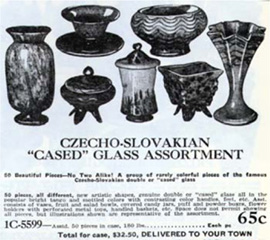
Fig. 1 Brightly colored glass in Fine art Deco shapes made in Czechoslovakia between 1918 and 1938, was exported throughout the world. The examples shown higher up were offered in a 1930 Butler Bros. catalog in the United States.
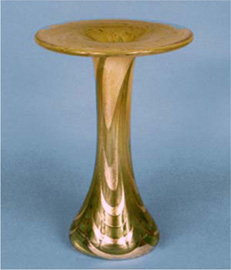
Fig. two This 10-inch irised Art Nouveau vase is existence made today. These new products are frequently offered with forged marks of 19th and early on 20th century makers.
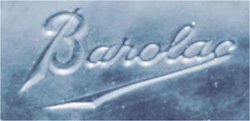
Fig. 3 Raised molded Barolac mark on the base of an opalescent vase. Made in Czechoslovakia, ca. 1920-1938.

Fig. 4-A Typical ca. 1918-1938 authentic Czechoslovakia marker rubber stamped in black ink.
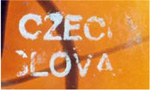
Fig. 4-B Typical acid-stamped authentic ca. 1918-1938 mark. Most marks appear equally one line, but it is non uncommon for Czechoslovakia to appear in two lines or to be hyphenated in 1 line.
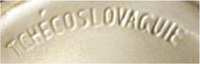
Fig. v-A French spelling of Czechoslovakia, used 1918-1938,

Fig. v-B A number of pieces of Czech glass from 1918-1938 are marked with the French and German spelling of Czechoslovakia. The French spelling, Tchécoslovaquie, is shown at pinnacle every bit a molded mark in frosted drinking glass. The German spelling is Tschechoslowake.
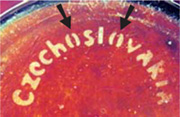
Fig. 6 This arched acid-stamped mark is attributed to Wilhem Kralik Söhne, ca. 1919-1933. This is i of the few "Czechoslovakia" but marks that tin can be attributed to a specific visitor.
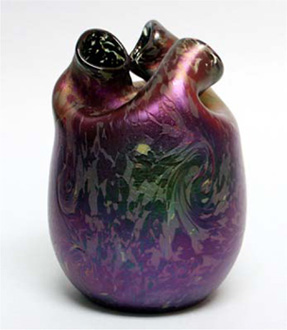
Fig. 7 Original Loetz art glass vase in organic form. Opaque bits of glass are worked into an internally swirled glass torso. The surface has a highly irised "oil spot" surface. Footing pontil in base of operations, burn polished (smoothed at the furnace) top rims.
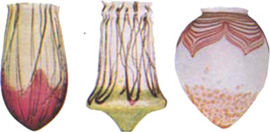
Fig. eight Art Nouveau-styled art drinking glass shades, like these examples, were exported in big amounts from a number of East European glass houses. Most of these high quality threaded and irised art drinking glass shades–including those by Loetz–were virtually never marked with a company or studio proper noun. Finding a shade marked Loetz, for instance, would be highly unlikely and probably a forgery. The far simpler shades made ca. 1918-1938 are commonly, but not always, marked with whatsoever of the various ink or acid-stamped Czechoslovakia marks.
Accurate Loetz Marks - Engraved
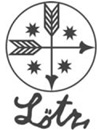
Fig. 9 (Lötz)
with arrows in circumvolve, wheel engraved.
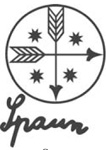
Fig. 10 (Spaun)
(nephew of Lotz) wheel engraved.
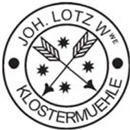
Fig. 11 (Joh. Lotz West We Klostermuehle)
paper label only, never engraved.
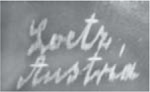
Fig 12. Loetz, Republic of austria only was used well-nigh exclusively on glass made for export, particularly for sale in the American market. All original Loetz marks permanently applied to glass that include the words "Loetz" or "Lötz" are wheel engraved, not acid-stamped or practical with a diamond-tip pen.
Loetz Marks - Acid Etched
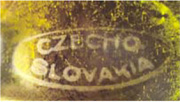
Fig. xi
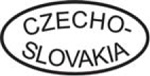
Fig. 12
Figs. eleven-12 The simply two acid-etched marks institute on glass attributed to Loetz ca. 1919-1939 known at this time, are the oval above (Fig. eleven) and the box beneath (Fig. xiii). Neither "Loetz" nor "Lötz" ever announced in accurate acid-stamped marks, only the discussion "Czechoslovakia." The oval Loetz acid marks more often than not announced on only two types of glass. The outset type is loftier quality iridescent drinking glass with ground pontils with the marker usually actualization in the pontil. The other glass found with the oval mark is on a line Loetz chosen Tango. Tango was fabricated in bright Art Deco colors, oftentimes red or orange, with applied edges and handles in contrasting colors, usually black.
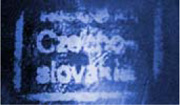
Fig. 13
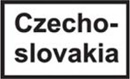
Fig. 14
Figs. 13 & fourteen This is the other acrid marker attributed to Loetz, ca. 1918-1939. This appears on a diversity of non-irised glass by and large in Art Deco shapes and colors.
Loetz - Raised (Cameo)

Fig. 15
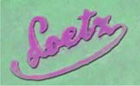
Fig. sixteen
Figs. 15 & sixteenCameo glass sold under the Loetz name was usually marked Loetz in raised script like these typical examples, ca. 1900-1920s. Exact appearance varies. Marks on Loetz cameo may also include the mark of a glass designer.
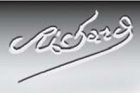
Fig. 17 Richard has long been assumed and is recorded in near books equally a carve up French cameo maker. It is actually one of the names registered past Loetz, ca. 1922-1925. Appears in raised glass. There is considerable variation in advent among old marks.
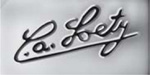
Fig. eighteen Loetz cameo fabricated expressly for the American market is marked "Ca. Loetz" in raised drinking glass. Used ca. 1922-1925.
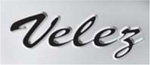
Fig. 19
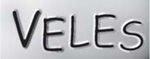
Fig. 20
Figs. 19 & 20 Two of the French-styled names used by Loetz were Velez, Fig. nineteen, and Veles, Fig. 20. Both appear as raised glass marks, ca. 1922-1925.
Lucidus
Lucidus name is registered but no example available
Typical False and Forged Loetz Marks
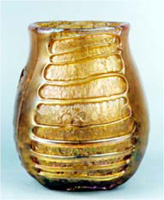
Fig. 21 New art drinking glass vase in the Art Nouveau style. This vase includes the "oilspot" iridescence typically associated with vintage Loetz.
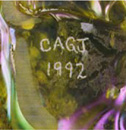
Fig. 22 The new vase in Fig. 21 was originally signed and clearly dated like the example to a higher place to avoid confusion with antique glass. CAGJ is the marking of Chicago Art Glass Gem.
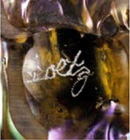
Fig. 23-A The CAGJ marking was ground out and the pontil was polished. And so a forged Loetz mark was engraved.
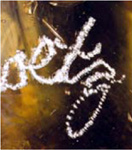
Fig. 23-B Close-upwards view of the faked marker. Information technology was engraved with a vibrating electric pen. Note the typical skips particularly in the alphabetic character Z. All authentic engraved Loetz marks were applied with a wheel.
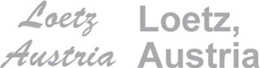
Fig. 24 Two fakes now in the market appearing as acid-stamped marks. No accurate vintage Loetz mark that independent the word Loetz or Lötz was ever applied with acid stamps.
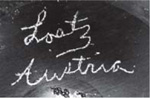
Fig. 25 Typical fake mark engraved with diamond-tip pen. The vast majority of all authentic engraved Loetz marks are wheel engraved. No authentic production-grade Loetz was rountinely marked with a diamond-tip device.
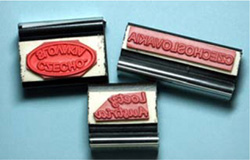
Fig. 26 Well-nigh fakes and forgeries of acrid marks are practical with rubber stamps like these three typical examples. From upper left: Czechoslovakia in oval; Czechoslovakia in single line; Loetz Austria in script.
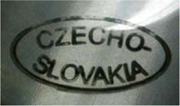
Fig. 27 Fake acrid stamp mark, nearly identical to original Loetz mark in Fig. 11. Acid marks are easily forged and widespread in the market. Marks alone are never a guarantee of age or quality.
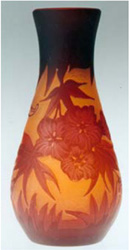
Fig. 28
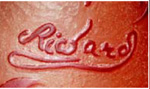
Fig. 29
Figs. 28-29 Richard is and then firmly regarded as a French cameo glass maker, it is among the mass-produced cameo glass fakes commonly found in today'due south market place. The Richard mark above is on the new 6-inch cameo glass reproduction in Fig. 28 which is fabricated in Mainland china.
Moser
Ludwig Moser founded several drinking glass decorating studios in the heart of the 19th century and a glass factory in the early 1890s. From the 1860s to 1893, the Moser firm decorated blanks from other glass houses. Moser began making its own glass in 1893, when Ludwig Moser's four sons were brought into the business.
The business organization went broke during the 1930s and production was severely express until the end of WW II in 1946. After the state of war, the company resumed production and remains in product today.
The Moser specialty was enameling for which it is best known but also worked with cutting and engraving as well every bit cameo and acid carving. Moser designs have spanned many dissimilar styles of decorating including Art Nouveau, Art Deco, and Modernism.
Forgeries of Moser marks are frequently applied to new drinking glass as well as genuinely old but unmarked wares of other makers. The most common targets of forged marks are enamel decorated pieces and cut tableware.
The Moser marks shown below are only some of the many marks the visitor used. A more all-encompassing list can be found in Truitts' Collectible Bohemian Drinking glass Vol Ii, 1915-1945
Authentic Moser marks
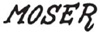
Fig. 30 (Ca. 1880-1893)
This mark is applied in gold or colored enamel.
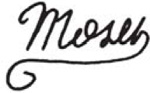
Fig. 31 (Ca. 1880-1890)
Early cursive mark, ordinarily engraved.

Fig. 32 (Ca. 1911-1938)
Monogram of the messages LMK (Ludwig Moser, Karlsbad) in raised glass. Don't confuse this mark with the monogram of Kolo Moser, the glass designer (come across dissever Kolo Moser list).

Figs. 33-35 (Ca. 1911-1938)
Moser Karlsbad in script is a standard mark which may be in golden, colored enamel, raised glass (middle) or acrid stamped (right). This style is the most widely forged and imitated Moser mark.
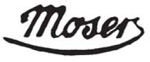
Fig. 36 (Ca. 1926-1950)
An engraved mark used throughout the 20th century until the nowadays day. Before uses include acid-stamping and enamel.
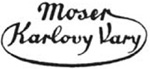
Fig. 37 (Since ca. 1946)
Used continously since the end of WW II equally an acid postage stamp. Karlovy Vary is Czech for Karlsbad.
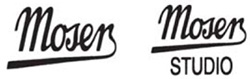
Figs. 38 & 39 (Since mid-1990s)
These two marks accept been used since the mid-1990s and are applied by sandblasting.
Common Moser Forgeries
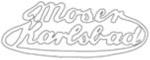
Fig. xl Acid-etched mark with only the outline of messages. The person using this marker sells primarily through online auctions. The vast majority of items with this forged mark are cheap pressed wares, particularly modernistic versions of malachite, a jade-greenish colored glass.
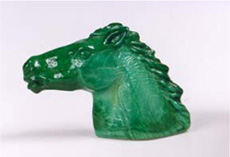
Fig. 41 New malachite drinking glass from the Czechia and other countries is frequently found with forged Moser marks. The new malachite horse head above is made in America.
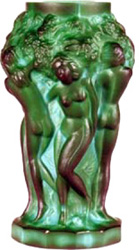
Fig. 42 The new malachite vase above is from the Czech Commonwealth, ofttimes constitute with forged Moser marks.

Fig. 43-44 Two fantasy forgeries of Moser, Austria, usually acrid etched. The mark on the left has also been reported in diamond-tip script. "Austria" never appeared in whatsoever registered Moser mark.
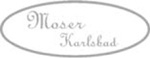
Fig. 45 Fantasy cursive mark in elaborate type fashion; acid etched.
Moser, Kolo
Kolo Moser was an Austrian glass designer who worked for Loetz, Kralik and Egermann. His monogram, beneath, appears on some designs he fabricated for Loetz, as well every bit independent piece of work made from his designs at other firms. Unremarkably appears equally a raised glass monogram. Not to be confused with the LMK monogram of Ludwig Moser, Karlsbad (meet Moser list).

Fig. 46 Monogram of Kolo Moser, in raised glass.
Harrach
Harrach is a Bohemian glass works founded ca. 1714, still in operation today. The so-called "propeller" marking, more often than not attributed to the English house of Thomas Webb, is actually a Harrach mark. Research by Robert and Deborah Truitt have positively traced the origin of the mark to Harrach family unit glaze-of-arms. The Truitts have documented examples of the mark on various Harrach pieces as well every bit printed uses of the marker such as the label shown here. The "propeller" marks may be stamped or painted; usually plant in black but occasionally in crimson. Forged propeller marks applied to pieces which are offered as Webb, are adequately common.
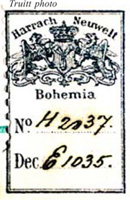
Fig. 47
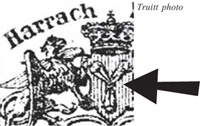
Fig. 48
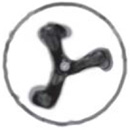
Fig. 49
Figs. 47-49 Paper label with Harrach family crest showing the triple-plumage plume pattern, Fig. 47. This blueprint was the basis for the so-called propeller mark, Fig. 49, mistakenly attributed for many years to Thomas Webb of England.
dickensoninforent.blogspot.com
Source: https://www.realorrepro.com/article/New-and-old-marks-on-glass-from-Eastern-Europe
0 Response to "Art Deco Loetz Austria Tango Vase Michael Powolny Orange Black Ca 1930"
Post a Comment